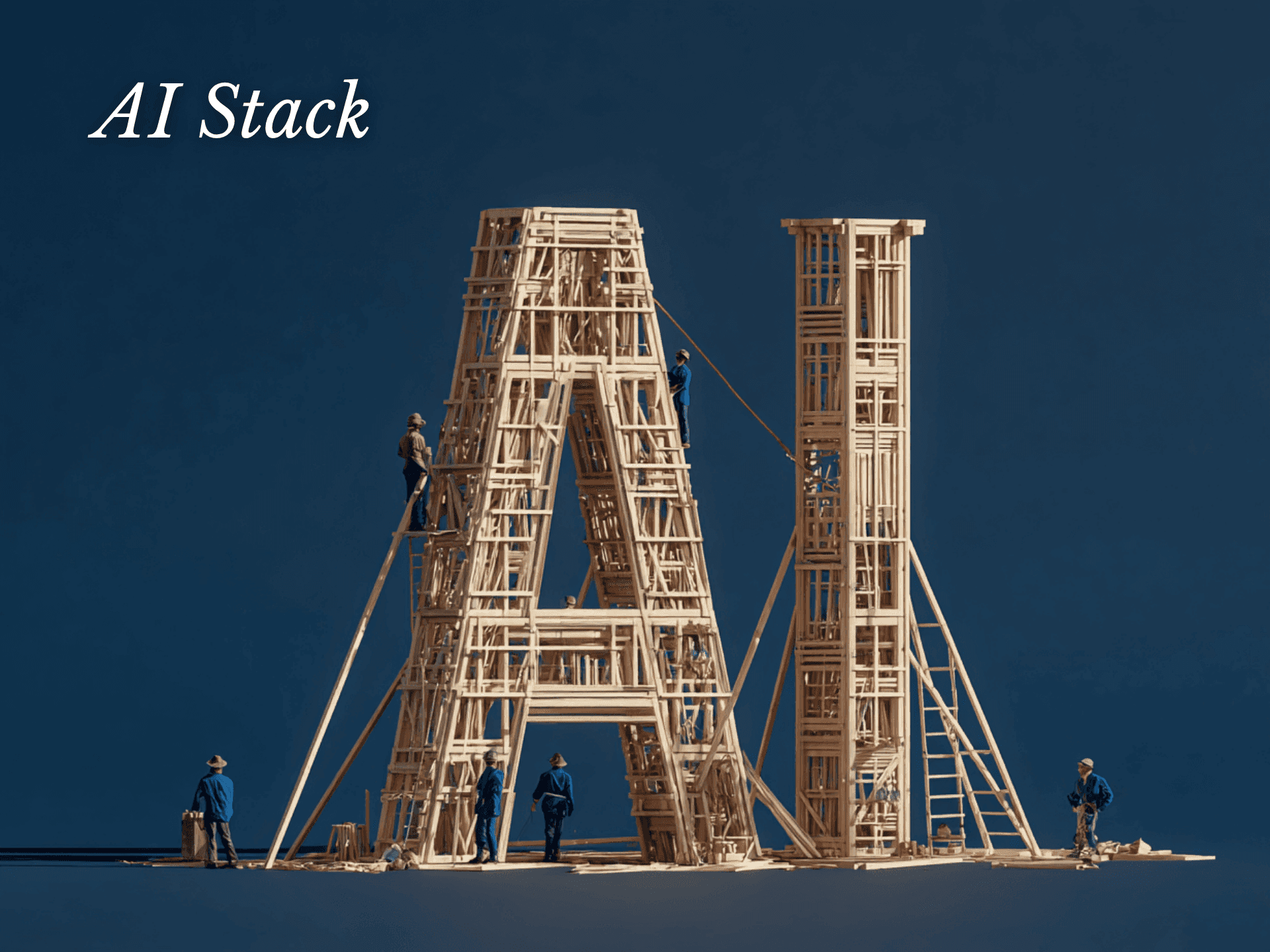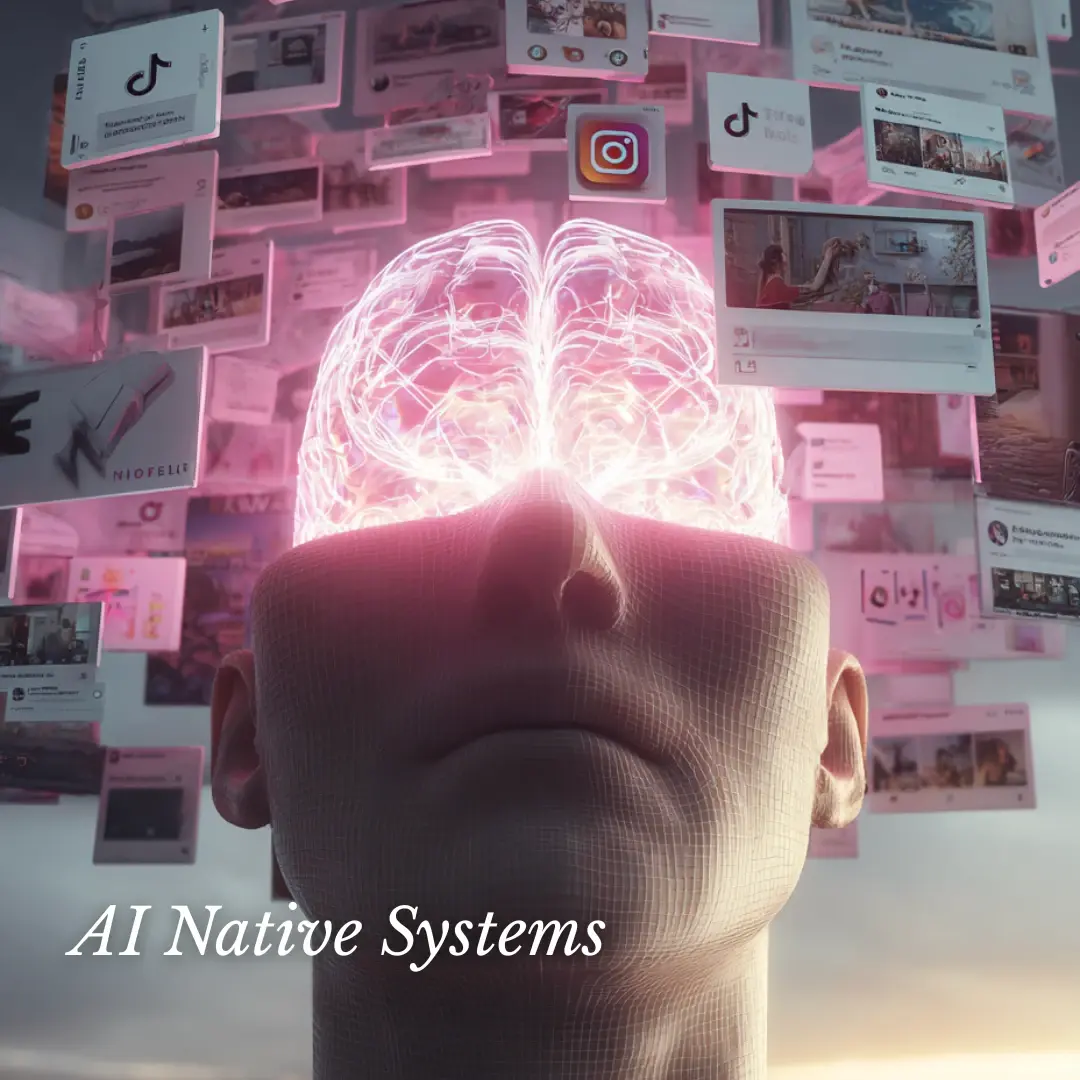
AI Native Systems
First Principles
“The horse and buggy with an engine attached is not a car.”
The Journey
From Raw Facts to Lived Wisdom
Overview
AI-native systems are designed from first principles assuming AI capabilities, not legacy systems with AI bolted on. This distinction determines who wins in the AI era.
First Principles Design
Starting from fundamental capabilities rather than existing solutions
AI-Native UX
Interfaces designed around AI interaction patterns, not traditional GUIs with AI features
Emergent Capability
System behaviors that arise from AI integration rather than explicit programming
Raw Facts & Sources
The foundation. Verified facts, primary sources, and direct quotes that form the bedrock of understanding.
What do we know for certain?
Key Facts
- AI-native means designed for AI from the ground up, not AI added to existing systems
- Most "AI products" are AI-augmented, not AI-native
- AI-native design changes fundamental assumptions about UX, architecture, and business model
- The biggest opportunities are in building AI-native, not retrofitting AI
Source Quotes
“The horse and buggy with an engine attached is not a car.”
— First principles principle
Sources
Context & Structure
Facts organized into meaning. Historical context, core concepts, and why this matters now.
What does this mean?
Historical Context
Mobile-native apps outcompeted mobile-adapted websites. Cloud-native outcompeted cloud-migrated. AI-native will outcompete AI-augmented.
Modern Relevance
We are in the early days of AI-native design. The patterns are still emerging, which means opportunity for those who figure them out first.
Patterns & Connections
Insights that emerge from information. Mental models, cross-domain connections, and what most people get wrong.
What patterns emerge?
Key Insights
Adding AI to existing products is optimization; AI-native is transformation
AI-native products often look weird at first because they don't match existing mental models
The biggest wins come from reimagining the problem, not improving the solution
AI-native requires letting go of accumulated assumptions
Mental Models
Action & Transformation
Knowledge applied to life. Practical applications, daily practices, and warning signs when you drift.
How do I live this?
Practical Applications
When: When building an AI product
→ Ask "If AI existed first, how would this problem be solved?" not "How can we add AI?"
✓ Fundamentally different (and often better) solutions
When: When evaluating AI opportunities
→ Look for problems where AI changes what's possible, not what's efficient
✓ Find blue ocean opportunities instead of competing on features
When: When stuck in existing patterns
→ Deliberately forget everything about how this problem is currently solved
✓ Space for genuinely new approaches
Reflection Questions
What assumptions am I carrying from pre-AI solutions?
If I designed this today with AI, would it look anything like what exists?
What becomes possible if I let go of current constraints?
Daily Practice
Pick one problem and ask "How would this be solved if humans never had to be involved?"
Warning Sign
When your AI product looks exactly like the non-AI version plus a chatbot, you're not AI-native.