An Encounter with Bholenath
Dissolving the Self
“What you seek is what is seeking.”
The Journey
From Raw Facts to Lived Wisdom
Overview
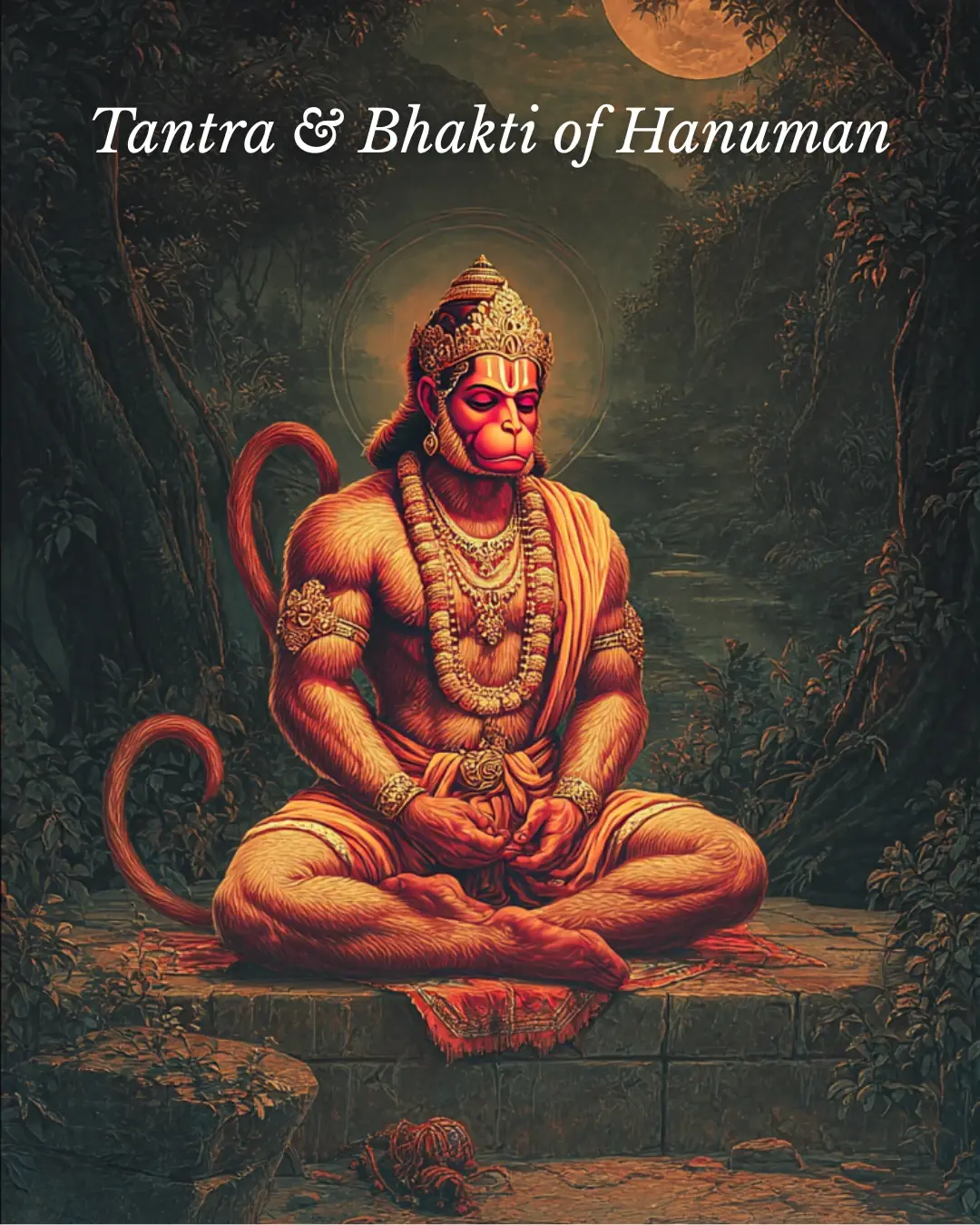
Shiva as Bholenath represents the direct encounter with consciousness itself - not through complex philosophy but through radical simplicity. The dissolution of ego reveals what was always present.
Bholenath
Lord of the Simple - Shiva accessible to all, without need for elaborate ritual or learning
Neti Neti
"Not this, not this" - the process of recognizing what you are by eliminating what you are not
Turiya
The fourth state - pure consciousness underlying waking, dreaming, and deep sleep
Raw Facts & Sources
The foundation. Verified facts, primary sources, and direct quotes that form the bedrock of understanding.
What do we know for certain?
Key Facts
- Bholenath ("Lord of the Simple") is Shiva in his most accessible form
- Shiva represents consciousness itself - the witness behind all experience
- The ashes (vibhuti) symbolize the impermanence of form
- Mount Kailash represents the still point of turning world
Source Quotes
“The universe dissolves into me, and I dissolve into the universe.”
— Shiva Sutras
“What you seek is what is seeking.”
— Advaita principle
Sources
Context & Structure
Facts organized into meaning. Historical context, core concepts, and why this matters now.
What does this mean?
Historical Context
Shaivism offers an alternative to Brahmanical orthodoxy - direct experience over ritual, accessible to outcasts and householders alike.
Modern Relevance
In an age of identity politics and self-optimization, Shiva offers the radical question: who are you when you remove all the labels?
Patterns & Connections
Insights that emerge from information. Mental models, cross-domain connections, and what most people get wrong.
What patterns emerge?
Key Insights
Identity is a construction - useful but not ultimately real
What remains when all stories about yourself dissolve is consciousness itself
Simplicity is not naivety - it is clarity after complexity
The seeker and the sought are not two
Mental Models
Common Misconceptions
- Ego death means becoming passive - actually enables more effective action
- Dissolution is annihilation - what dissolves is the false, what remains is essential
- This is nihilism - it is the opposite: finding what cannot be taken away
Action & Transformation
Knowledge applied to life. Practical applications, daily practices, and warning signs when you drift.
How do I live this?
Practical Applications
When: When identity feels threatened
→ Ask "What would remain if this story about myself dissolved?"
✓ Freedom from defending positions that don't serve you
When: When overwhelmed by complexity
→ Strip away everything non-essential until you find the still point
✓ Clarity emerges from radical simplification
When: When stuck in overthinking
→ Notice the one who is noticing the thoughts
✓ Space between stimulus and response
Reflection Questions
Who am I when I remove all my roles and labels?
What am I defending that doesn't actually need defending?
What would I do if I weren't afraid of losing my identity?
Daily Practice
Spend 5 minutes as the witness - observe thoughts without identifying with them. Notice the unchanging awareness behind changing content.
Warning Sign
When you are aggressively defending your self-image, you have forgotten you are not your self-image.